
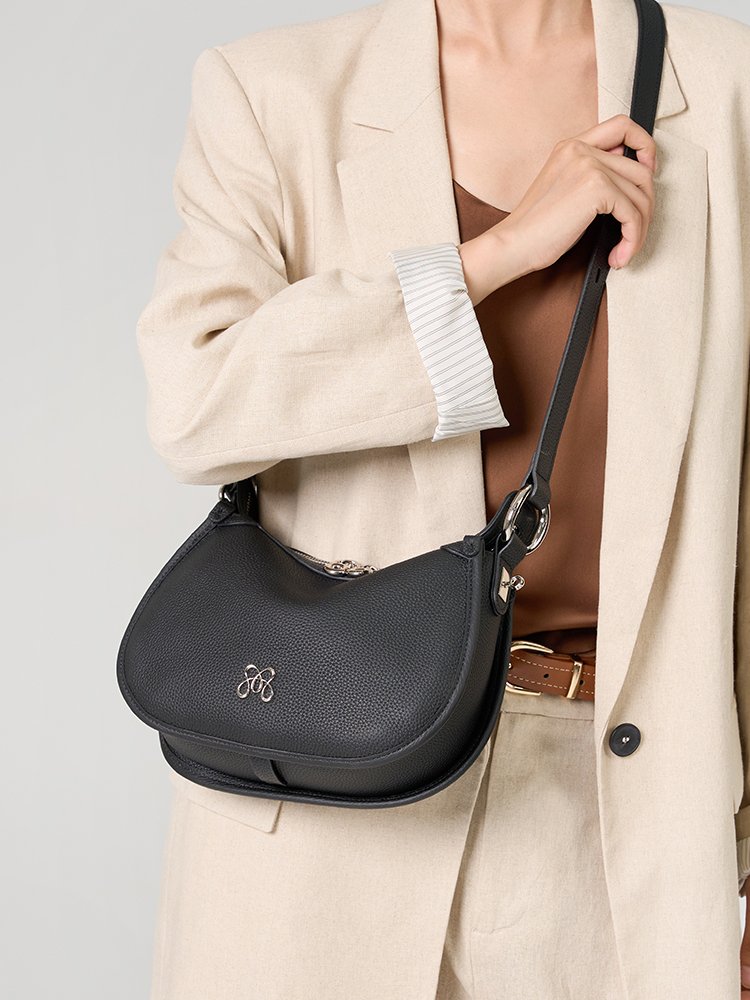
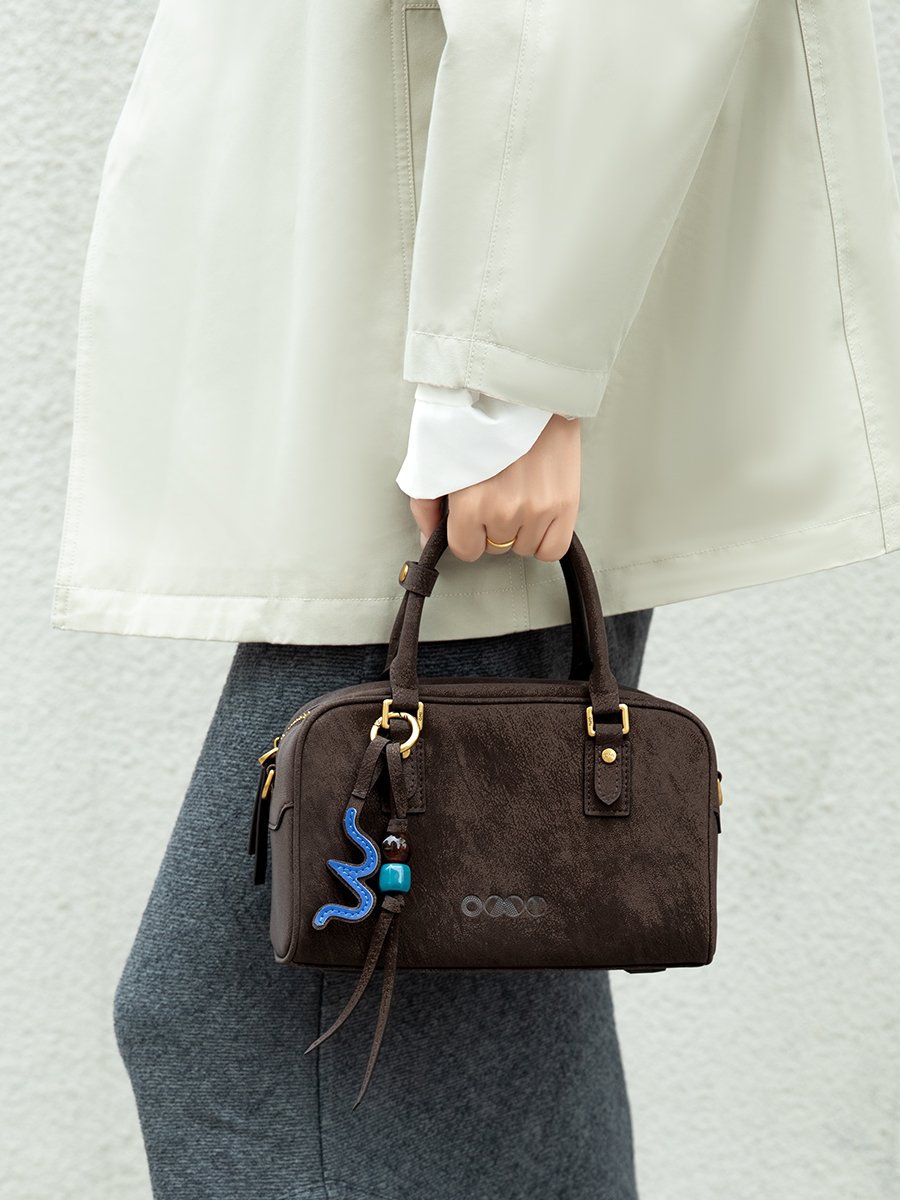
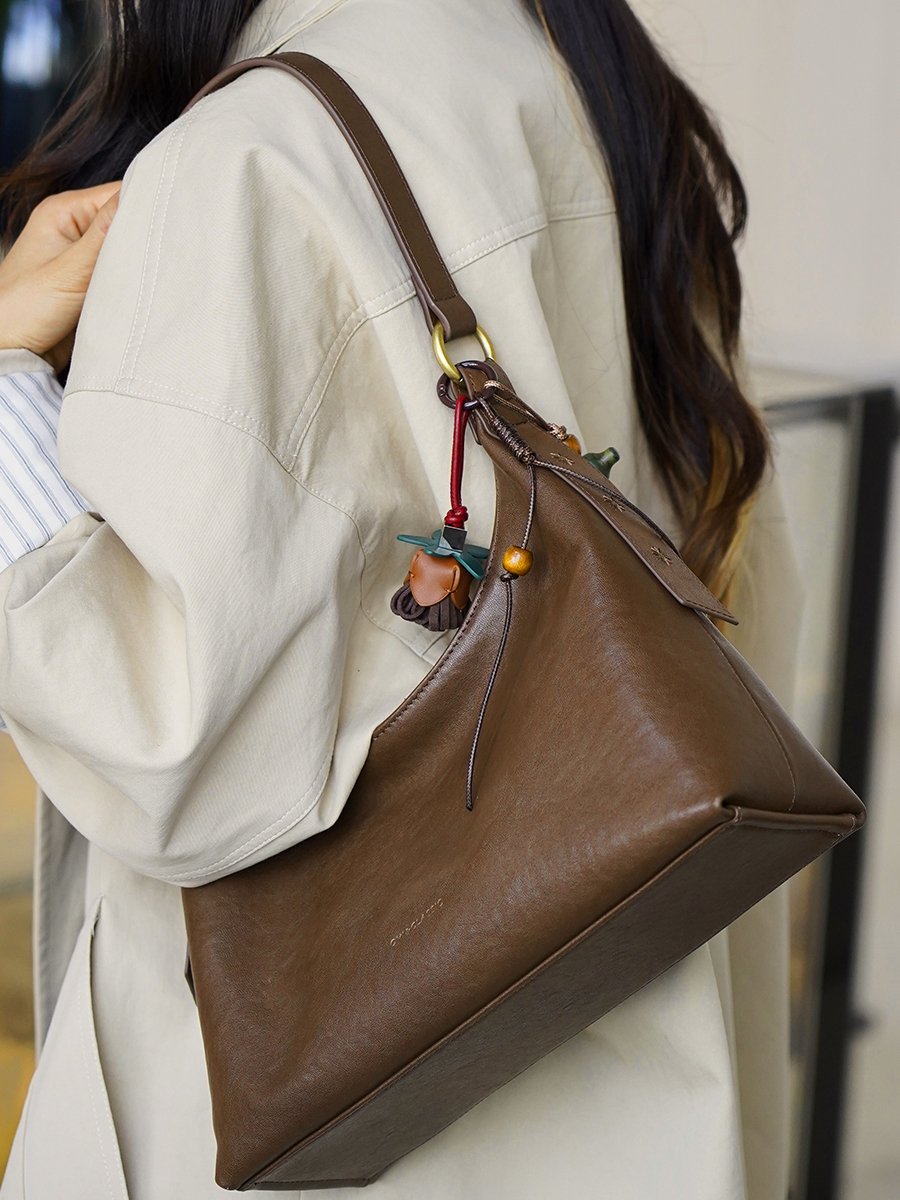
You’ve seen the labels everywhere: “genuine leather,” “Italian leather,” “real leather.” But what do they actually mean? And how can you tell if you’re getting the real thing or a cleverly marketed imitation? As a brand built on authentic Italian leather craftsmanship, we want to share what we know.
Understanding Leather Grades
Not all leather is created equal. The term “genuine leather” sounds premium, but it’s actually one of the lowest grades. Here’s the hierarchy, from best to worst:
Full-grain leather is the highest quality. It uses the entire thickness of the hide with the natural surface intact — including all the subtle variations, grain patterns, and character marks that make each piece unique. This is what OMI uses. Full-grain leather is incredibly durable and develops a rich patina over time that actually makes it look better with age.
Top-grain leather is the second tier. The surface is sanded and refinished to remove imperfections, giving it a more uniform appearance. It’s still good quality, but it won’t develop the same character as full-grain.
Genuine leather — despite its name — is a lower grade. It’s made from the layers beneath the top grain and is often heavily processed. It tends to wear out faster and doesn’t age gracefully.
Bonded leather is the lowest tier. It’s made from leather scraps and fibers glued together with adhesive, then coated to look like real leather. It peels, cracks, and deteriorates quickly.
The Touch Test
Real Italian leather has a distinctive feel that’s hard to fake. When you run your fingers across genuine full-grain leather, it feels warm, supple, and slightly textured. It gives a little under pressure and springs back. Synthetic leather, by contrast, feels cold, plasticky, and rigid. It often has a perfectly uniform texture — too perfect, actually, since real leather always has natural variations.
The Smell Test
This is one of the most reliable ways to check. Genuine leather has a rich, earthy, distinctive smell — warm and slightly sweet, with depth to it. Once you’ve smelled real leather, you’ll never forget it. Synthetic materials smell like chemicals or plastic. If a bag smells like a new shower curtain, it’s not real leather.
Look at the Edges
Check the edges of the leather where it’s been cut. Real leather has a slightly rough, fibrous edge — you can see the natural layers of the hide. High-quality bags will have these edges finished and polished, but you can still see that it’s a natural material. Synthetic leather has a clean, almost plastic-looking edge, sometimes with visible fabric backing.
Examine the Surface
Real leather has natural imperfections. Look closely and you’ll see slight variations in the grain pattern, tiny pores, maybe a faint scar or mark. These aren’t flaws — they’re proof of authenticity. Each hide is unique, just like a fingerprint. If the surface pattern is perfectly uniform and repeating, it’s likely synthetic or heavily corrected leather.
What Makes Italian Leather Special
Italy has been the world capital of leather tanning for centuries, particularly in the Tuscany region. What sets Italian leather apart is the vegetable tanning process — a traditional method that uses natural tree bark extracts instead of harsh chemicals. This process takes weeks rather than days, but the result is leather that’s richer in color, softer to the touch, and far more durable than chrome-tanned alternatives.
Italian tanneries also tend to select higher-grade hides and pay closer attention to the finishing process. The combination of superior raw materials, traditional techniques, and generations of expertise produces leather that simply feels different in your hands.
The Price Reality Check
If a “leather” bag costs $20, it’s almost certainly not real leather — or if it is, it’s the lowest possible grade. Quality Italian leather costs significantly more as a raw material alone. That said, you don’t need to spend thousands either. Brands like OMI work directly with Italian tanneries and artisans to keep prices reasonable (our bags range from $70–$100) while using the same full-grain Italian leather that luxury houses use.
The best investment is a bag made from quality materials by people who know what they’re doing. It will outlast five cheap bags and look better every year.
Browse our collection of handcrafted Italian leather bags and feel the difference for yourself.